

Why Ignoring a Worn Timing Belt Can Lead to Major Engine Damage
Summary: Ignoring a worn timing belt can cause serious engine damage, expensive repairs, and sudden breakdowns. This content explains how timing belts work, warning signs of wear, replacement timing, and common driver mistakes. It highlights why timely inspection is important and how preventive maintenance protects engine health and improves vehicle safety and performance.
A car does not usually break down without warning. In most cases, it gives small signs long before something serious happens. One of the most ignored parts in this whole system is the timing belts Palmdale CA. Many drivers do not think about it until the engine stops working or a repair bill becomes too large to ignore.
At Rocco’s Honda & Acura Specialists, we see this situation more often than you might expect. A simple part that costs far less to replace can end up causing major engine damage when ignored. Understanding how timing belts work and why they matter can save you from unexpected breakdowns and expensive repairs.
What A Timing Belt Actually Does
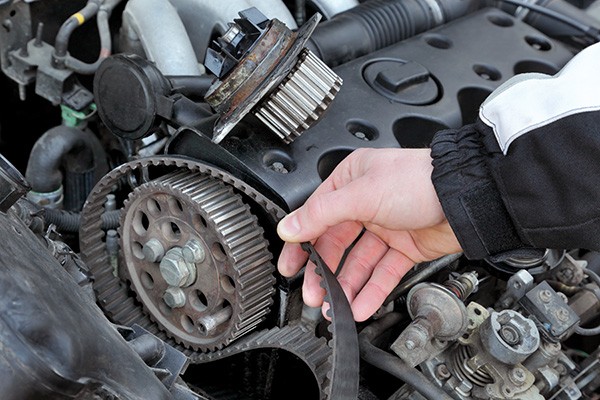
The timing belt is one of the most important components inside your engine. It keeps the engine’s moving parts in sync. In simple terms, it ensures that the crankshaft and camshaft work together at the right time.
If this timing is off even slightly, the engine cannot run properly. In many modern vehicles, especially Honda and Acura models, the engine is designed in a way where everything depends on this precise movement.
That is why timing belts are not just another replacement part. They are essential for engine health and performance.
What Happens When A Timing Belt Starts Wearing Out
Timing belts do not fail suddenly in most cases. They wear down slowly over time due to heat, friction, and mileage. The problem is that this wear is not always visible from the outside.
As the belt weakens, it may start to crack, fray, or lose tension. When this happens, the engine starts losing proper timing control.
Some early warning signs include:
- Ticking noise from the engine area
- Engine misfires or rough idling
- Difficulty starting the car
- Loss of power while driving
- Oil leaks near the front of the engine
These signs are often ignored because the car still runs. But that is where the real risk begins.
Why Ignoring It Can Lead To Serious Engine Damage
If a worn timing belt snaps while the engine is running, the damage can be immediate and severe. In many vehicles, the engine is what is called an interference engine. This means the valves and pistons operate in very close space.
When the timing belt fails, these parts lose synchronization. The pistons can hit the valves, bending or breaking them. In some cases, the entire engine head gets damaged.
At that point, the repair is no longer a simple belt replacement. It can turn into a full engine rebuild or replacement, which is significantly more expensive and time-consuming.
This is why a small preventive repair matters so much in the long run.
Recommended Timing Belt Replacement Intervals
Most manufacturers recommend replacing timing belts between 60,000 to 100,000 miles, depending on the vehicle model. However, driving conditions also play a role. Frequent short trips, heavy traffic, and hot climates can wear the belt faster.
Even if your car seems to be running fine, waiting too long is not a safe strategy. Timing belts do not always show clear warning signs before failure.
A regular inspection during service visits can help identify early wear and prevent unexpected breakdowns.
Common Mistakes Drivers Make
One of the biggest mistakes is assuming that no problem means no maintenance is needed. Many drivers delay timing belt replacement simply because the car feels fine.
Another mistake is mixing it up with other belts in the engine. The timing belt is different from the serpentine belt. The serpentine belt may show visible wear, but the timing belt often stays hidden inside the engine cover.
Ignoring recommended service intervals is another common issue that leads to costly repairs.
Why Experience Matters In Timing Belt Service
Replacing a timing belt is not just about swapping a part. It requires proper alignment, precision, and experience with engine systems.
This is especially important for Honda and Acura vehicles, where engine design is highly dependent on accurate timing. Even a small mistake during installation can affect engine performance.
At Rocco’s Honda & Acura Specialists, we focus on detailed inspection and accurate service so the engine continues to perform the way it should.
Wrapping It Up:
At Rocco’s Honda & Acura Specialists, we have been working on Honda, Acura, and other import vehicles for over 40 years. Our experience helps us identify issues early and guide drivers toward the right maintenance decisions before they turn into major repairs.
If you are searching for dependable care or a trusted Honda service near me, we are here to help. You can reach us at (661) 949-1011 or email roccoshonda1969@gmail.com to schedule an inspection or service appointment.
FAQs
1. What happens if a timing belt breaks while driving?
If a timing belt breaks while driving, the engine can stop suddenly and internal parts may get damaged, leading to very expensive engine repairs.
2. How do I know if my timing belt is worn out?
You may notice engine noise, rough running, starting trouble, or loss of power. Sometimes there are no clear signs before it fails.
3. How often should a timing belt be replaced?
Most timing belts should be replaced between 60,000 to 100,000 miles, depending on the car model and driving conditions for safe engine performance.
4. Can I drive with a bad timing belt?
Driving with a bad timing belt is risky. It can break anytime and cause serious engine damage, so it should be replaced quickly.
5. Why is timing belt service important?
Timing belt service is important because it keeps engine parts working together properly. Without it, the engine can fail and become very costly to repair.