
5 Signs Your Honda’s Brakes Are Failing and How a Professional Service Fixes It
Your Honda’s brakes are one of the most important parts of your car. When they start acting up, it can be scary, and ignoring the problem can put you and your loved ones at risk. At Rocco’s Honda & Acura Specialists, we understand how important it is to keep your brakes in perfect condition. If you are considering a brake service Palmdale CA can make sure your car stops safely every time.
Common Signs of Brake Problems
1. Squeaking or Grinding Noises
If your brakes make a high-pitched squeak or grinding sound, it usually means the brake pads are worn out. Small metal pieces in the brake system can create this noise. Ignoring this can damage the rotors, which costs more to repair.
2. Longer Stopping Distance
When your Honda takes longer to stop than usual, it is a serious warning sign. Brakes that don’t respond quickly can be dangerous in traffic. A professional service checks your brake pads, fluid, and rotors to make sure everything is working efficiently.
3. Soft or Spongy Brake Pedal
If your brake pedal feels soft or spongy when you press it, there could be air in the brake lines or low brake fluid. This can make your brakes less responsive. Professional mechanics can safely flush and refill brake fluid and remove air to restore proper braking.
4. Pulling to One Side
When your Honda pulls to one side while braking, it might mean worn brake pads, uneven brake pressure, or alignment issues. At Rocco’s Honda & Acura Specialists, we examine the brake system and adjust everything to ensure smooth and balanced stopping.
5. Vibrations While Braking
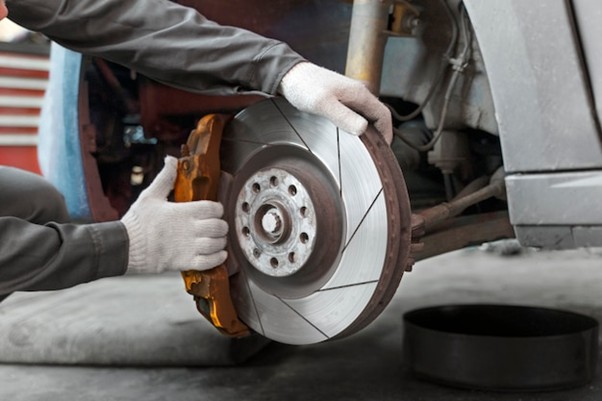
Shaking or vibrating when braking often signals warped rotors. Driving with warped rotors can worsen over time and lead to more costly repairs. A professional brake service can resurface or replace the rotors for a smooth ride.
How a Professional Brake Service Helps?
A skilled mechanic can identify small problems before they become big ones. At Rocco’s Honda & Acura Specialists, we use advanced tools and Honda-approved parts to inspect and repair your brakes. From replacing brake pads to fixing rotors and brake fluid issues, we make sure your car stops safely and reliably.
Regular maintenance keeps your Honda performing at its best. Scheduling a brake service Palmdale CA can prevent unexpected failures and give you peace of mind while driving. Our team is friendly, approachable, and ready to explain every step of the process so you feel confident about your car’s safety.
Personalized Care You Can Trust
At Rocco’s Honda & Acura Specialists, we treat every car like it’s our own. Our mechanics know Hondas inside out and offer personalized advice to extend the life of your brakes. From minor fixes to major repairs, we focus on quality service and your safety.
Last Words
Keeping your Honda’s brakes in top shape is essential for your safety. A professional brake service can fix problems early, prevent expensive repairs, and keep your car performing like new. For drivers, scheduling a tune up Palmdale CA with Rocco’s Honda & Acura Specialists ensures your vehicle gets expert care. Ring us today at (661) 949-1011 or email roccoshonda1969@gmail.com to book your appointment. Let’s keep your Honda safe and smooth on the road.
FAQs
- How often should I get my Honda brakes checked?
It’s recommended to inspect your brakes at least once a year or every 12,000 miles. Regular checks prevent small issues from turning into costly repairs. - Can I drive with squeaky brakes?
Driving with squeaky brakes is not safe. The noise often signals worn pads or other problems. Early repair keeps your brakes functioning properly. - How long does a brake service take?
A standard brake service usually takes 1 to 2 hours. Complex repairs may take longer, but we always keep you informed during the process. - Why is my brake pedal soft?
A soft brake pedal usually means air in the lines, low brake fluid, or worn parts. A professional service can safely correct these issues. - Are brake repairs expensive?
Costs vary depending on the problem, but ignoring small issues can lead to much higher repair bills. Regular maintenance keeps costs low and your car safe.