

How Modern Car Diagnostics Detect Engine and Transmission Problems
Modern cars are full of sensors, computers, and smart parts. When something goes wrong, you want quick and correct answers. For drivers in Palmdale, if you’ve searched for Car Diagnostics Palmdale CA, you know how useful that clarity can be. These diagnostic tools act like the car’s personal doctor, reading every signal and identifying hidden issues before they turn into serious problems. From engine performance to transmission health, these systems can pinpoint exactly what needs attention.
This not only saves time and money but also keeps your vehicle running safely and efficiently, giving you peace of mind every time you hit the road.
How Diagnostics Work: Reading the Car’s Signals
Every modern vehicle monitors many parts all the time. Sensors track things like engine temperature, oxygen in exhaust, fluid pressure, or gearbox behavior.
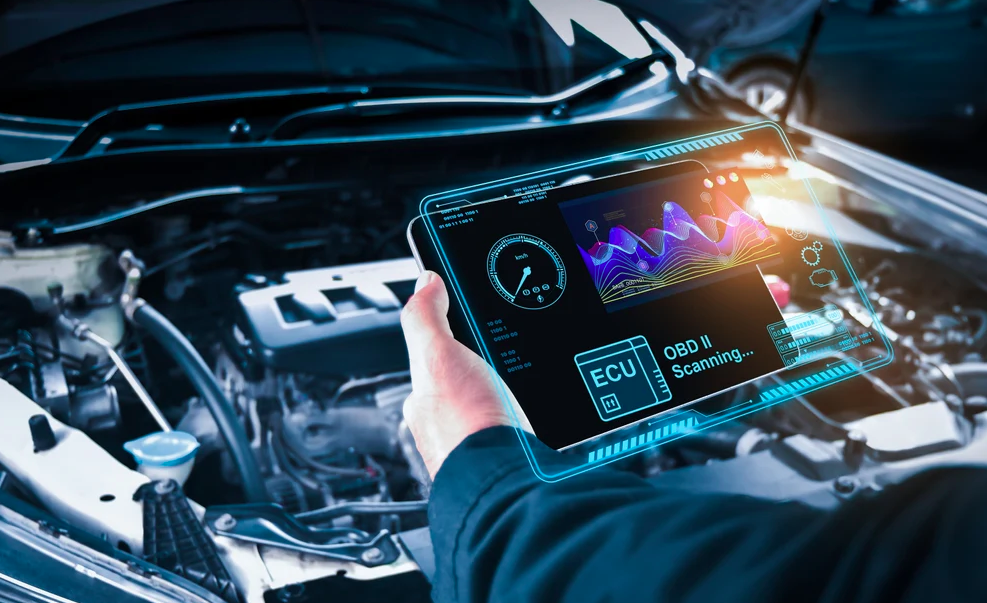
When a sensor sees something abnormal, it sends a code to the car’s computer. For drivers in Palmdale, car diagnostics Palmdale CA services use advanced tools to read these codes. Mechanics interpret this data like a health report for your car, helping find problems early before they become serious.
Since diagnostics are done with computers, the results are fast and accurate, saving time and preventing small issues from turning into major repairs.
Spotted Engine Trouble: What Diagnostics Reveal
When the computer shows an engine issue, it might be a worn spark plug, a blocked fuel filter, or a failed sensor. Sometimes the problem is a wiring fault or a damaged connector.
Diagnostics help locate the exact cause. Mechanics can then check fuel supply, ignition, air filters, and electrical parts, giving a clear picture of what needs fixing.
Diagnostics can also catch hidden issues. For example, a fuel mixture that’s slightly off may not feel serious now, but over time it can damage engine components. Finding this early can save money and extend engine life.
Problems in Transmission: How Diagnostics Help
Transmission problems can cause jerking, delayed shifting, or strange noises, often due to worn parts, low fluid levels, or sensor failures.
With diagnostics, the car’s computer displays transmission codes that point to specific trouble areas such as shift sensors, fluid pressure, or internal gear wear.
Once the issue is identified, a trained technician can inspect fluids, valves, or mechanical components and repair or replace faulty parts, restoring smooth shifting and extending transmission life.
Why Using Modern Tools Matters
Modern diagnostic tools go beyond outdated guess-and-check methods. They work with live sensor data and computer reports, making them faster and more reliable.
This allows mechanics to avoid trial-and-error repairs and fix the real issue early, resulting in safer driving, better fuel efficiency, and fewer unexpected breakdowns.
When to Get Diagnostics Done
If warning lights appear on your dashboard, such as a check engine light, it’s a clear sign diagnostics are needed.
Also, if you notice rough idling, jerky shifting, reduced power, or unusual noises. Even without symptoms, occasional diagnostic checkups can uncover issues before they worsen.
How Professional Service Makes a Big Impact
Having the right tools matters, but skilled technicians matter more. The experts at Rocco Honda And Acura Specialists specialize in Honda, Acura, and similar imports, using advanced diagnostics to identify engine and transmission problems accurately.
They offer engine diagnostics, transmission inspections, tune-ups, timing belt replacement, fluid and filter services, suspension, exhaust, A/C repair, and routine maintenance, ensuring long-lasting vehicle performance.
Lasting Impressions
Modern car diagnostics help identify the true cause of engine or transmission issues quickly using sensor data instead of guesswork, saving time and money while keeping your car reliable.
If you own a Honda, Acura, or similar import, choosing a shop with real expertise and modern tools is essential. That’s why Rocco Honda And Acura Specialists is a trusted choice. If you’re searching for a reliable Honda Acura Mechanic Near Me, feel free to contact us.
FAQ
Q1: What is car diagnostics?
A1: Car diagnostics uses special tools to read data from sensors and computers in a vehicle to check if engine or transmission systems are working properly.
Q2: Can diagnostics fix a problem on their own?
A2: No. Diagnostics only identify the problem; a mechanic must then repair or replace the faulty components.
Q3: Is diagnostics useful only when problems appear?
A3: No. Diagnostics are also useful for regular checkups and can detect small issues before they grow.
Q4: Do diagnostics work for both engine and transmission?
A4: Yes. Modern diagnostics systems check codes and sensors for both systems.
Q5: How often should I get diagnostics done?
A5: It’s best to run diagnostics when warning lights appear or unusual behavior is noticed. An annual or periodic checkup is also recommended.