

7 Driving Habits That Lead to Frequent Clutch Repairs
Summary: Learn how everyday driving habits can affect your vehicle’s clutch performance. This guide covers common mistakes, warning signs, maintenance tips, and ways to avoid frequent Clutch Repairs while keeping your car reliable through proper care and regular Car Tune Ups.
A clutch does a lot of work every time you drive. It helps your engine and transmission work together smoothly, allowing you to change gears and control your vehicle with ease. However, many drivers do not think about their clutch until something starts feeling wrong.
A few everyday driving habits can slowly wear down the clutch system and lead to costly Clutch Repairs Lancaster CA. The good news is that small changes in the way you drive can help protect your vehicle and reduce unnecessary stress on important parts.
At Rocco’s Honda & Acura Specialists, we often see how driving style affects vehicle performance. Understanding these common mistakes can help you keep your car running smoothly for many more miles.
1. Resting Your Foot on the Clutch Pedal
One of the most common habits that damages a clutch is keeping your foot lightly pressed on the clutch pedal while driving.
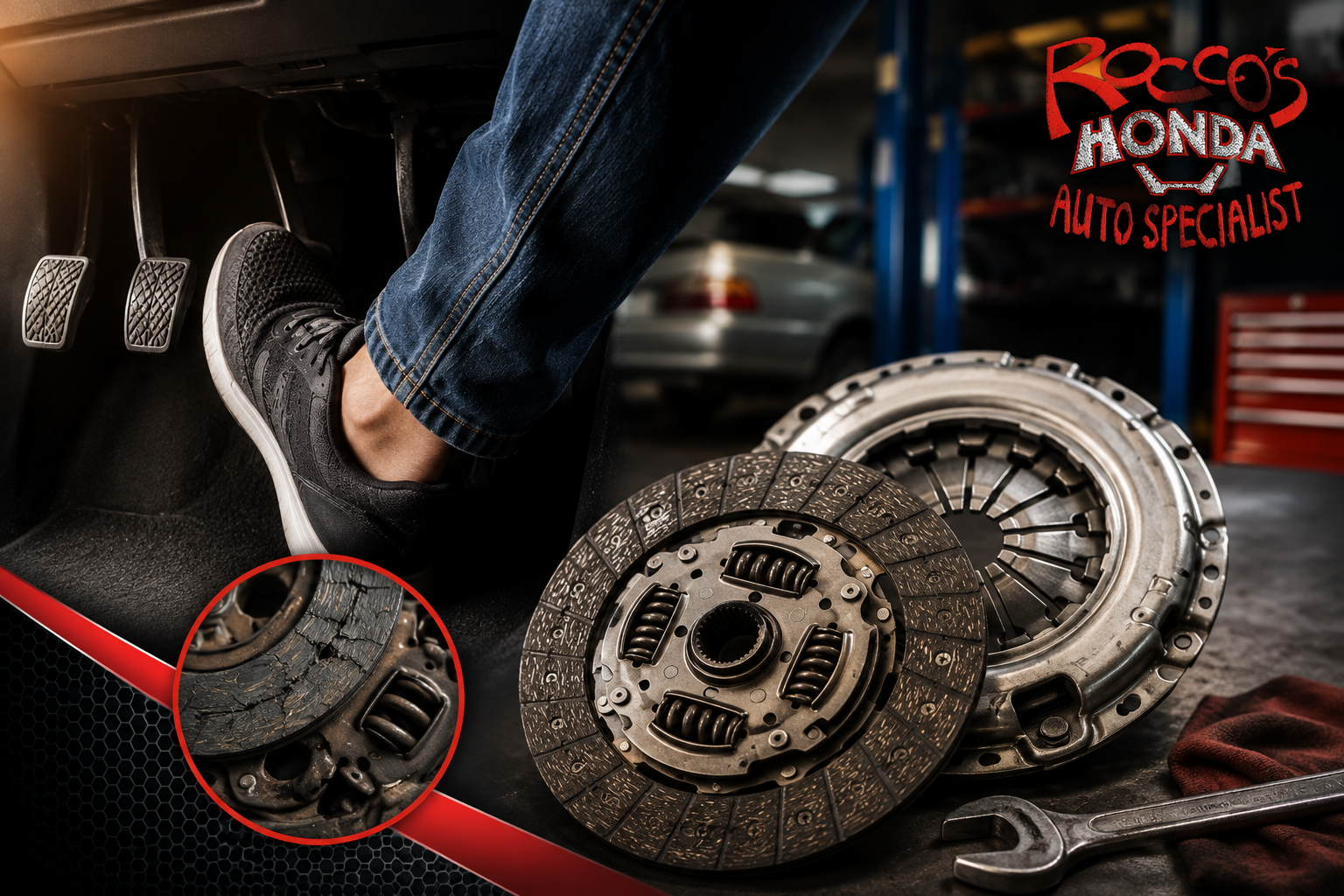
Many drivers do this without noticing. Even a small amount of pressure can keep the clutch partially engaged, causing extra friction and heat. Over time, this can wear down the clutch components faster.
Try to:
- Keep your foot completely off the clutch pedal when you are not changing gears
- Use the footrest area when cruising
- Press the clutch only when needed
This simple habit can make a big difference in extending clutch life.
2. Holding the Car on a Hill Using the Clutch
Stopping on a hill can feel challenging, especially in heavy traffic. Some drivers use the clutch pedal to keep their vehicle from rolling backward instead of using the brake.
This creates unnecessary pressure on the clutch because it forces the system to work while the vehicle is standing still.
A better approach is to:
- Use the parking brake when waiting on a slope
- Apply the brake until you are ready to move
- Release the clutch smoothly when starting again
Your clutch is designed for changing gears, not holding your vehicle in place.
3. Riding the Clutch During Slow Traffic
Stop-and-go traffic can be tiring, but constantly balancing the clutch pedal can create extra wear.
Drivers sometimes keep the clutch partially pressed while moving slowly through traffic. This causes the clutch plate to rub continuously, creating heat and reducing its lifespan.
During slow traffic:
- Maintain enough distance from the vehicle ahead
- Fully engage or release the clutch when possible
- Avoid unnecessary half-clutch driving
Being patient in traffic can help protect your vehicle.
4. Shifting Gears Too Quickly or Incorrectly
Smooth gear changes are important for clutch health. Sudden gear shifts, forcing the gear lever, or releasing the clutch too quickly can put stress on the entire transmission system.
A smooth driver usually has a smoother-running vehicle.
Good driving habits include:
- Matching your speed with the correct gear
- Pressing the clutch fully before shifting
- Releasing the clutch gradually after changing gears
If your vehicle starts feeling different during shifting, a professional inspection can help catch problems early.
5. Carrying Heavy Loads Beyond Your Vehicle’s Limits
Your vehicle has limits for a reason. Carrying heavy loads regularly or towing more than recommended can increase pressure on the clutch system.
When the clutch has to work harder to move extra weight, it can wear out faster.
If you often carry heavy items, pay attention to signs like:
- Difficulty changing gears
- Burning smells
- Slipping while accelerating
- Delayed vehicle movement
Regular checks and proper maintenance can help prevent bigger repairs.
6. Ignoring Early Warning Signs
Many clutch problems start with small signs that are easy to overlook. Waiting too long can turn a minor issue into a major repair.
Common warning signs include:
- The engine revs increase but the car does not accelerate properly
- The clutch pedal feels unusual
- Gear changes feel rough
- You notice strange noises while shifting
Taking action early can save time, money, and stress.
Regular Car Tune Ups can also help identify related vehicle issues before they affect your daily driving experience.
7. Skipping Regular Vehicle Maintenance
A clutch does not work alone. It is connected to several parts that need proper care to keep your vehicle performing well.
Skipping routine maintenance can allow small issues to grow into bigger problems.
Regular maintenance can include:
- Checking fluid levels
- Inspecting related transmission components
- Following recommended service schedules
- Addressing unusual driving symptoms quickly
Consistent care helps your vehicle stay dependable and reduces the chance of unexpected breakdowns.
Final Analysis:
When clutch problems do appear, having an experienced repair team makes a difference. At Rocco’s Honda & Acura Specialists, we help drivers keep their vehicles reliable with professional automotive care backed by more than 40 years of hands-on experience. Our team works on Honda, Acura, and many other import vehicles, handling everything from clutch concerns and transmission services to complete Car Tune Ups Lancaster CA and regular maintenance.
If your vehicle is showing signs of clutch trouble, do not wait until the problem affects your daily drive. Contact Rocco’s Honda & Acura Specialists at (661) 949-1011 or email roccoshonda1969@gmail.com to schedule a service appointment and get expert help from a trusted local repair team.
FAQs
1. How can I make my clutch last longer?
You can make your clutch last longer by avoiding bad driving habits, shifting smoothly, not resting your foot on the pedal, and maintaining your vehicle regularly.
2. What are the signs that my clutch needs repair?
Common signs include trouble changing gears, a burning smell, unusual pedal feel, slow acceleration, or engine revs increasing without matching vehicle speed.
3. Does driving in heavy traffic damage the clutch?
Yes, frequent stop-and-go driving can wear out the clutch faster, especially when drivers keep the clutch partly pressed for long periods.
4. How often should I check my clutch system?
You should check your clutch during regular vehicle maintenance or whenever you notice changes in shifting, pedal feel, noises, or driving performance.
5. Can regular car maintenance prevent clutch problems?
Yes, regular maintenance helps find small issues early, keeps vehicle parts working properly, and can reduce the chance of expensive clutch repairs.