

6 Engine Problems That Can Make Your Car Unsafe to Drive
Summary: Engine problems can quickly turn everyday driving into a safety risk. Learn about six serious issues, including overheating, engine misfires, oil leaks, timing belt failure, fuel system faults, and head gasket damage, along with warning signs and when to seek professional repairs.
Your car may start every morning, respond when you press the accelerator, and seem perfectly normal during short drives. But what happens when something goes wrong under the hood? Some engine problems develop slowly, while others can quickly turn into serious safety concerns.
Certain issues can cause your vehicle to lose power, stall in traffic, overheat, or become difficult to control. Imagine being halfway through a busy intersection when your engine suddenly loses power. That is a situation no driver wants to face.
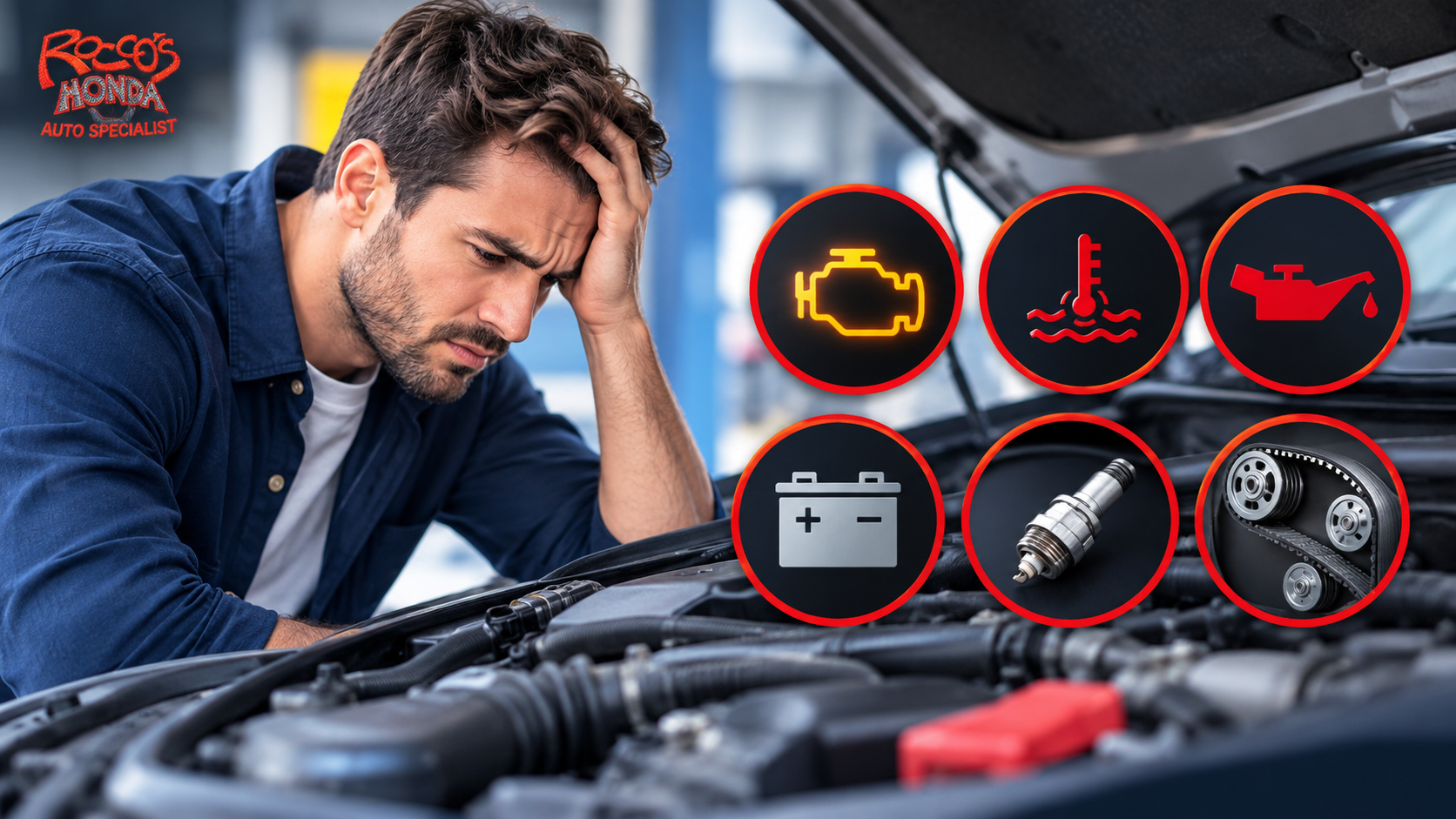
Knowing which engine problems can make your car unsafe to drive helps you take action before a small issue becomes a major repair or needs Car Engine Replacement Lancaster CA. Here are six problems worth taking seriously.
1. Engine Overheating
An overheating engine is more than an inconvenience. It can cause serious internal damage and leave you stranded in an unsafe location.
A faulty thermostat, coolant leak, damaged radiator, or failing water pump can prevent the engine from maintaining a safe operating temperature.
Watch for these warning signs:
- Temperature gauge moving into the red zone.
- Steam coming from under the hood.
- Sweet smell from leaking coolant.
- Temperature warning light appearing on the dashboard.
Driving with an overheating engine can damage the cylinder head, head gasket, and other internal parts. Pull over safely, switch off the engine, and allow it to cool. Never open a hot radiator cap.
2. Engine Misfires and Rough Running
Does your car shake when idling or hesitate when you accelerate? These symptoms may point to an engine misfire.
An engine misfire happens when one or more cylinders fail to burn the air-fuel mixture properly. Common causes include worn spark plugs, faulty ignition coils, fuel delivery problems, or damaged injectors.
Your car may suddenly lose power when merging onto a highway, crossing an intersection, or climbing a steep road.
A flashing check engine light can indicate a serious misfire. Avoid continuing to drive and arrange a professional inspection.
3. Oil Leaks and Low Engine Oil Pressure
Engine oil keeps moving parts lubricated and reduces friction. Without enough oil pressure, important engine components can wear out quickly.
A damaged oil pan, worn seals, loose filter, or failing gasket can cause oil leaks. Sometimes, the first warning is a small oil spot under your parked vehicle. Other times, the oil pressure warning light appears while driving.
Pay attention to:
- Knocking or ticking sounds from the engine.
- Burning oil smells.
- Visible oil puddles.
- Low oil pressure warnings.
Ignoring these signs can lead to severe engine damage or complete engine failure. If the oil pressure warning light comes on, stop somewhere safe and switch off the engine.
4. Timing Belt or Timing Chain Failure
The timing belt or chain keeps the engine’s internal components working together at the correct time. If it becomes worn, loose, or breaks, the engine can stop running unexpectedly.
In some engines, timing failure can also cause pistons and valves to collide, resulting in extensive internal damage.
Warning signs may include:
- Ticking or rattling noises.
- Difficulty starting the engine.
- Engine misfires.
- Rough idling.
Timing components need inspection and replacement according to the manufacturer’s maintenance schedule. Waiting until something breaks can turn routine maintenance into a major repair.
5. Fuel System Problems
Your engine needs a steady supply of fuel to operate correctly. A failing fuel pump, clogged fuel filter, or malfunctioning fuel injector can interrupt that supply.
You might notice the engine hesitating, struggling to accelerate, or stalling without warning.
This becomes particularly concerning when driving in heavy traffic or trying to maintain speed on a highway. Sudden power loss can put you and other road users at risk.
If you notice repeated stalling, poor acceleration, or difficulty starting your vehicle, have the fuel system inspected instead of hoping the issue disappears.
6. Coolant or Head Gasket Failure
A damaged head gasket can allow coolant and engine oil to mix or cause combustion gases to enter the cooling system. This affects engine performance and can lead to overheating.
Some common warning signs include:
- White smoke coming from the exhaust.
- Milky or foamy oil.
- Repeated coolant loss.
- Engine overheating.
- Bubbles appearing in the coolant reservoir.
Not every symptom confirms a head gasket problem, but these signs deserve immediate attention. Continued driving can cause extensive engine damage.
Depending on the extent of the damage, repairs may be possible. However, severe internal damage might make car engine replacement a more practical option than repeated repairs.
When Should You Stop Driving and Get Your Engine Checked?
Not every engine warning means your vehicle must be taken off the road immediately. However, certain symptoms should never be ignored.
Stop driving when you notice:
- A flashing check engine light with rough engine performance.
- Sudden engine overheating.
- An oil pressure warning light.
- Heavy knocking or grinding noises.
- Repeated engine stalling or sudden power loss.
When in doubt, arrange a professional inspection instead of risking further damage.
Wrapping Up:
A reliable car should give you confidence every time you turn the key, not leave you wondering if it will make it through the next drive. Engine trouble can affect your safety, daily routine, and repair budget. Getting the problem checked early can make a meaningful difference.
At Rocco’s Honda & Acura Specialists, we understand how important a dependable vehicle is to your everyday life. Our team works with Honda and Acura vehicles, providing professional automotive services to identify mechanical problems and keep your vehicle performing as it should.
Do not wait for an unusual engine noise or warning light to become a roadside emergency. Call (661) 949-1011 or email roccoshonda1969@gmail.com to discuss your vehicle’s service needs. If your brakes are also showing signs of trouble, contact us when looking for Honda Brake Service near me.
FAQs
1. What engine problems make a car unsafe to drive?
Engine overheating, oil pressure loss, misfires, timing belt failure, fuel system problems, and head gasket damage can affect performance and make driving unsafe.
2. Can I drive my car with an overheating engine?
No, driving with an overheating engine can damage internal parts, cause engine failure, and leave you stranded. Pull over safely and switch off the engine.
3. What are the warning signs of engine failure?
Common warning signs include unusual engine noises, smoke, oil leaks, overheating, rough idling, poor acceleration, and dashboard warning lights that need immediate attention.
4. When does an engine need replacement instead of repair?
An engine may need replacement when internal damage is severe, repair costs are too high, or repeated mechanical problems make repairs impractical.
5. How can I prevent serious engine problems while driving?
Follow your vehicle’s maintenance schedule, check engine oil and coolant levels, address warning lights promptly, and get unusual noises or performance changes inspected.