


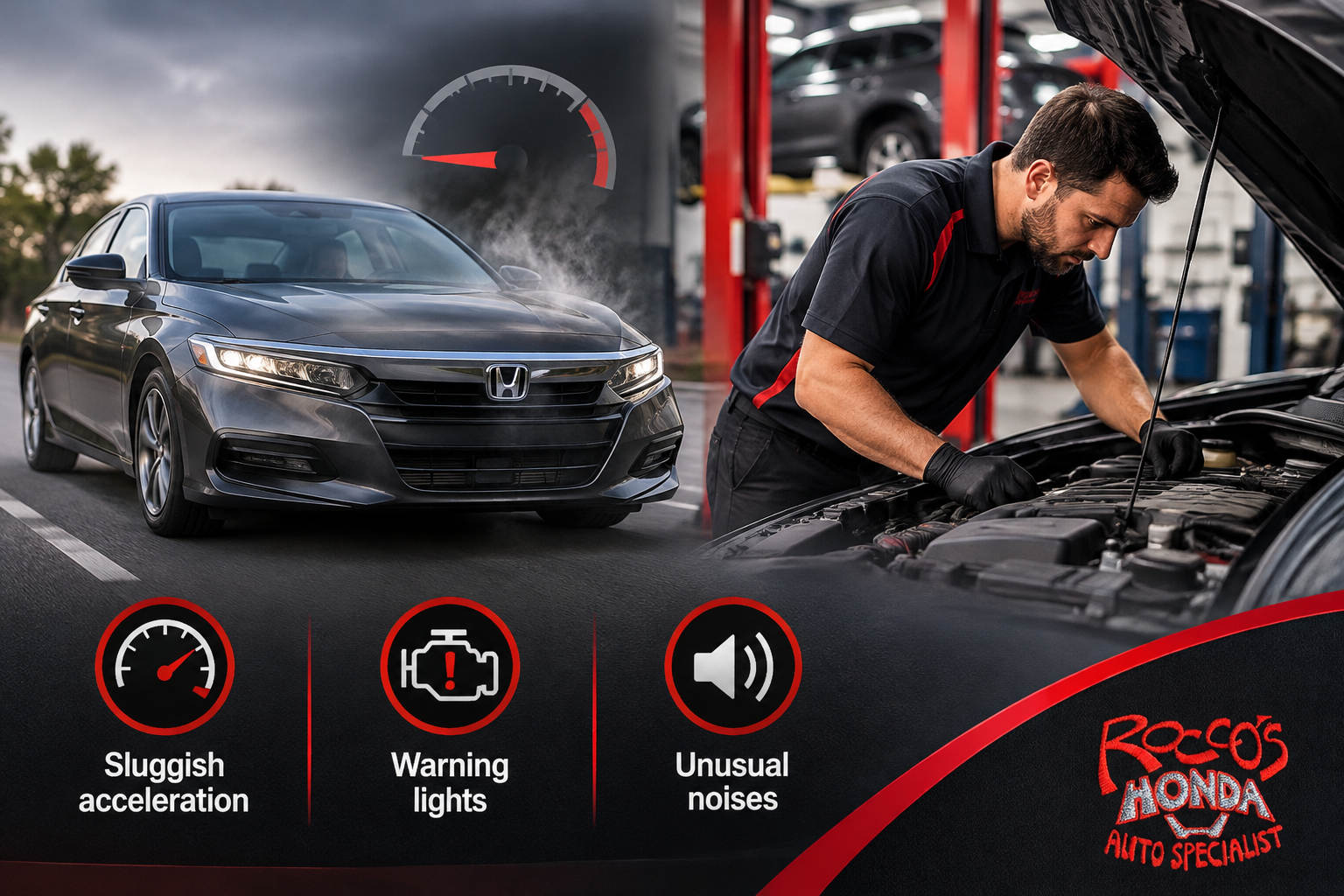
Why Is Your Car Losing Power? When to Consult a Car Mechanic
Summary: A car losing power can point to issues with the air filter, fuel system, spark plugs, transmission, sensors, or exhaust. Learn the warning signs, maintenance tips, and when to consult a mechanic for reliable auto repair.
Have you ever pressed the accelerator, expecting your car to pick up speed, but noticed it struggling to move? Maybe it takes longer to accelerate, feels weak when climbing a hill, or simply does not respond the way it used to. These changes can be frustrating, especially when you depend on your car every day.
A car losing power is not something you should ignore. It can happen because of several issues, from restricted airflow and fuel delivery problems to worn-out spark plugs or transmission concerns. While some causes may seem minor at first, others can affect your vehicle’s performance and safety if left unchecked.
So, how do you know what is causing the problem, and when should you visit a Palmdale mechanic? Let’s look at the common reasons behind power loss and what you can do about them.
6 Common Reasons Your Car Is Losing Power
Your car needs the right balance of air, fuel, and proper engine function to deliver consistent performance. When one part of this system stops working correctly, you may notice a drop in power.
1. Clogged Air Filter
Your engine needs a steady supply of clean air to work properly. A dirty or clogged air filter can restrict airflow, making it harder for the engine to maintain its normal performance.
You might notice:
- Sluggish acceleration.
- Reduced engine performance.
- Poor fuel efficiency.
Replacing a dirty air filter at the right time can help restore proper airflow and support smoother engine operation.
2. Fuel Delivery Problems
Your engine cannot produce enough power if it does not receive the right amount of fuel. A clogged fuel filter, weak fuel pump, or faulty fuel injector can interrupt fuel delivery.
For example, your car may hesitate when you press the accelerator or struggle to maintain speed on an uphill road. These symptoms deserve attention because poor fuel delivery can affect overall engine performance.
3. Worn-Out Spark Plugs
Spark plugs create the spark needed to ignite the air-fuel mixture inside your engine. When they become worn or damaged, the engine may not burn fuel properly.
You may experience:
- Engine misfires.
- Rough idling.
- Slow acceleration.
- Increased fuel consumption.
Regular inspection and timely replacement can prevent worn spark plugs from affecting your driving experience.
4. Transmission Problems
Does your engine sound like it is working harder, but your car is not gaining speed as expected? The transmission could be part of the problem.
Low transmission fluid, worn internal components, or other transmission issues can affect how power moves from the engine to the wheels. You may also notice delayed gear changes, slipping, or unusual noises.
A qualified Mechanic can inspect the transmission and identify what needs attention before the problem becomes more serious.
5. Dirty or Faulty Mass Airflow Sensor
The mass airflow (MAF) sensor measures how much air enters the engine. This information helps the engine control module maintain the correct air-fuel mixture.
When the sensor becomes dirty or stops working properly, your car may hesitate, accelerate poorly, or use more fuel than usual. A computer diagnostic test can help identify sensor-related problems.
6. Exhaust System Restrictions
Your car needs to release exhaust gases properly. A restricted exhaust system, including a clogged catalytic converter, can make it harder for the engine to produce normal power.
Common warning signs include sluggish acceleration, reduced engine performance, and unusual exhaust smells. A proper inspection can determine whether an exhaust restriction is affecting your vehicle.
When Should You Consult a Car Mechanic?
Not every drop in engine power means something serious is happening. However, knowing when to stop driving and get your car checked can save you from bigger problems.
Consider scheduling an Santa Clarita Valley Auto Repair appointment if you notice:
- Repeated power loss: Your car struggles to accelerate even on familiar roads.
- Warning lights: The check engine light stays on or starts flashing.
- Unusual sounds: You hear knocking, rattling, or grinding noises while driving.
- Frequent stalling: Your engine suddenly loses power or shuts off.
- Poor fuel economy: You find yourself filling the tank more often than usual without changing your driving habits.
If your car suddenly loses power while driving, pull over somewhere safe when possible. A flashing check engine light, severe shaking, or repeated stalling needs prompt attention. Avoid continuing to drive if the vehicle feels unsafe.
Can Regular Maintenance Prevent Car Power Loss?
Yes, regular maintenance can reduce the chances of several problems that affect engine performance. It also gives a mechanic an opportunity to identify worn or faulty parts before they cause more noticeable trouble.
A few simple maintenance habits can make a difference:
- Change engine oil and filters according to the manufacturer’s recommendations.
- Replace air filters when they become dirty.
- Check transmission fluid as recommended for your vehicle.
- Inspect spark plugs and other ignition components when needed.
- Pay attention to warning lights and unusual changes in performance.
Remember, every vehicle has different maintenance requirements. Following the manufacturer’s service schedule is one of the best ways to keep your car running properly.
Final Remarks:
At Rocco’s Honda & Acura Specialists, we bring over 40 years of hands-on automotive experience to every service. We specialize in Honda and Acura vehicles while also servicing other imported and some domestic makes and models.
From computer diagnostics and A/C service to transmission service, brake work, timing belt service, and regular factory maintenance, our team focuses on identifying vehicle concerns and keeping your car in good working condition.
You do not have to wait until a small performance issue becomes a major inconvenience. Call Rocco’s Honda & Acura Specialists at (661) 949-1011 or email roccoshonda1969@gmail.com to schedule your appointment.
FAQs
1. Why is my car losing power when I accelerate?
Your car may lose power during acceleration because of a clogged air filter, fuel delivery problems, worn spark plugs, or transmission issues.
2. Can bad spark plugs cause a car to lose power?
Yes, worn or damaged spark plugs can cause engine misfires, slow acceleration, rough idling, and poor fuel efficiency while driving.
3. When should I take my car to a mechanic for power loss?
Visit a mechanic if your car repeatedly struggles to accelerate, stalls, makes unusual noises, or shows warning lights on the dashboard.
4. Can a clogged air filter affect my car’s performance?
Yes, a clogged air filter restricts airflow to the engine, which can reduce power, affect acceleration, and lower fuel efficiency.
5. How can I prevent my car from losing engine power?
Follow your vehicle’s maintenance schedule, replace dirty filters, check fluids, inspect spark plugs, and address unusual performance changes without delay.